



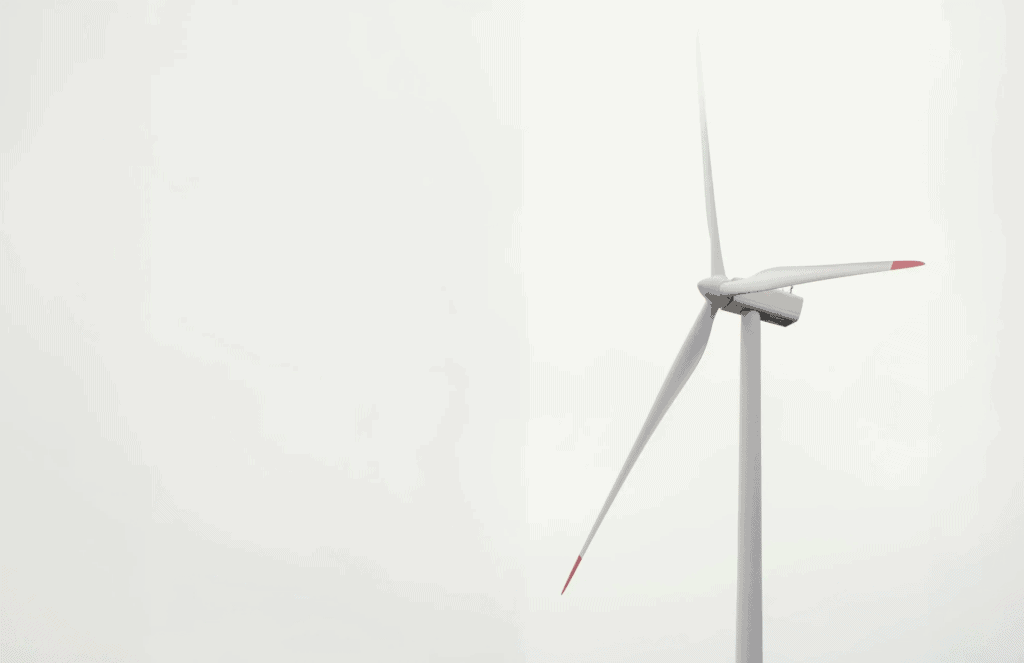
Vestas
V110-2.0MW
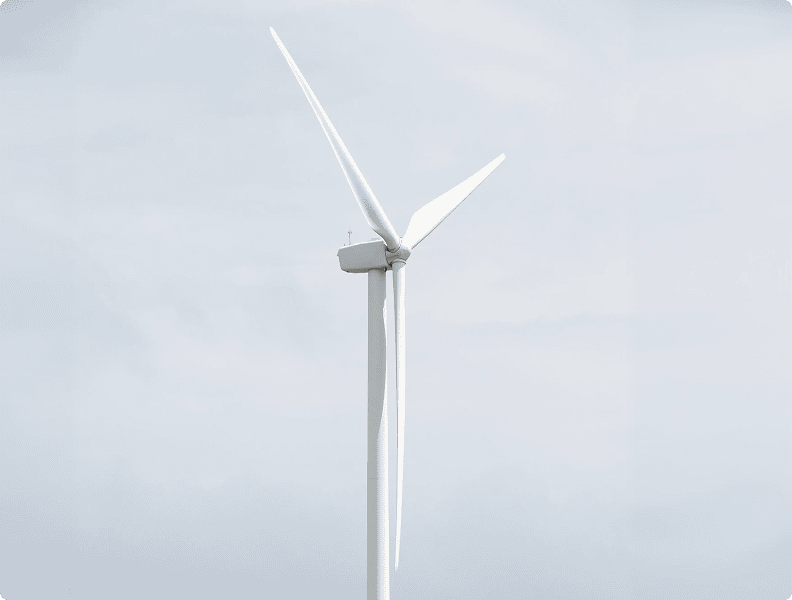
The V110‑2.0 MW was introduced to capture more energy on sites with moderate wind conditions.
With a larger rotor and increased area exposure, the turbine shows operational characteristics that differ from earlier 2 MW platforms.Over time, recurring patterns in performance provide useful signals for planning and long‑term operation.

Lower lifecycle cost
Early intervention reduces repeat downtime and avoids unnecessary full replacements.

Prevent before failure
Model-specific insight identifies risks before they escalate into costly downtime.

Safety without compromise
All work follows documented procedures where HSE overrides speed and cost.
Precise technical focus
We act where it matters — avoiding both overengineering and overlooked risk.
Model-specific insight, challenges & practical guidance
Understanding the V110-2.0MW platform
As V110 turbines accumulate years in service, gradual developments become more noticeable in lubrication stability, hydraulic movement and drivetrain loading.
These changes often reflect how the rotor size and tower dynamics interact with site conditions.Understanding these long‑term patterns helps operators plan inspections and preventive work with greater precision.
20+ years
designed operational lifetime
Mid-2010s
platform introduction
Operators typically notice small changes in hydraulic responsiveness, filter load development and drivetrain alignment during the first decade in service.These early patterns often relate to how the turbine’s rotor size and tower dynamics interact with site‑specific turbulence.
Based on documented behavior from similar platforms, gradual developments in lubrication stability, particle levels and hydraulic movement tend to become more pronounced as the turbine accumulates hours.
These trends form the basis for more structured preventive planning.
Hydraulic speed, oil cleanliness, lubrication flow and yaw gear alignment often provide the clearest early signals of operational change on the V110.
Drivetrain behavior also reflects how the turbine adapts to varying site conditions.
It becomes meaningful to investigate when trend data shows sustained shifts — such as pressure variation, increased particle counts, temperature changes or reduced hydraulic response.
Addressing these developments early helps operators remain ahead of emerging patterns.
Emerging changes in oil condition, drivetrain behavior and hydraulic response help operators understand how the turbine is settling into its environment.These insights support more predictable scheduling and clearer preventive decision‑making.
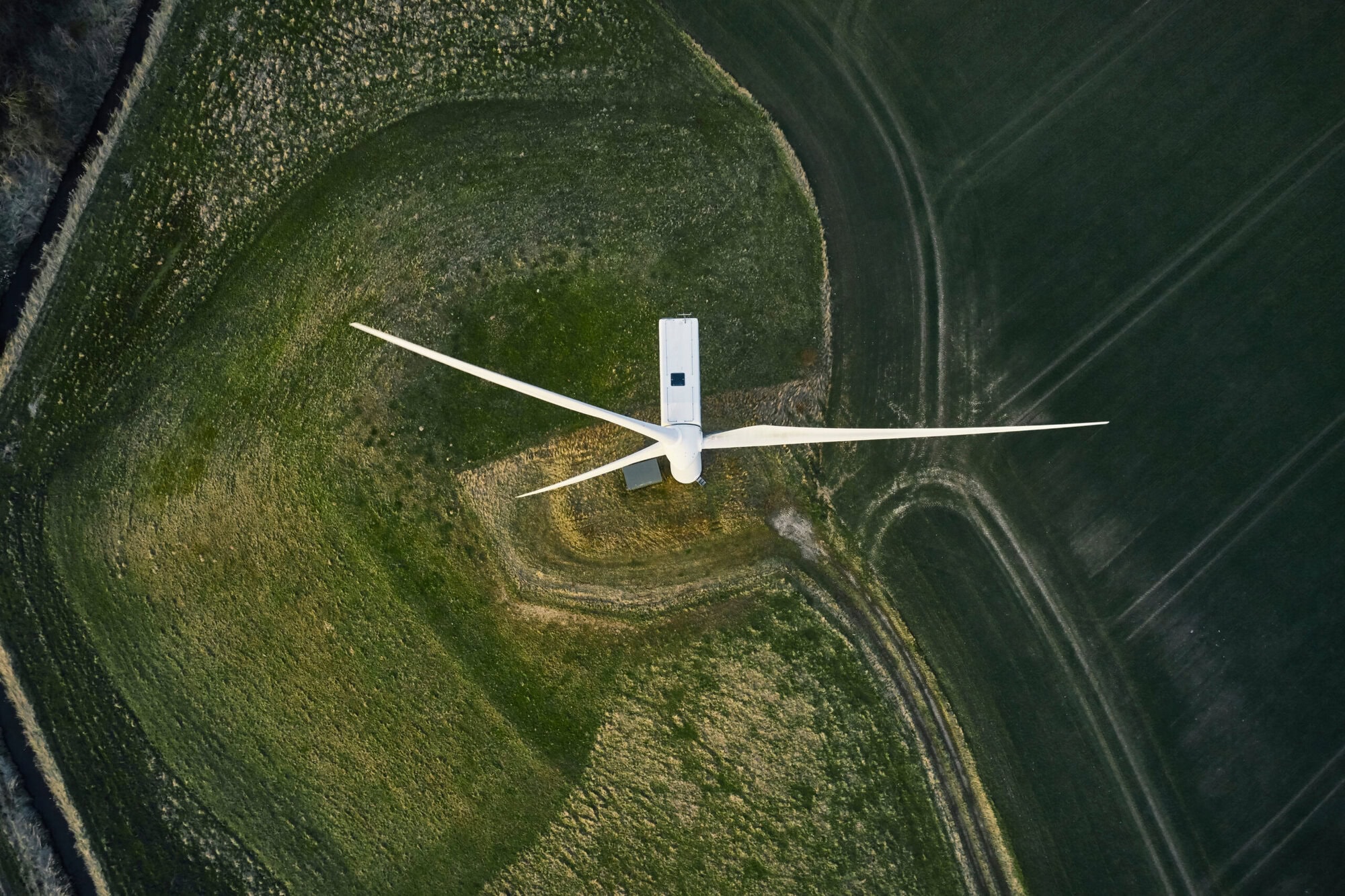
Downtime is expensive. Delays are avoidable
OEM parts. Delivered without delay.
We coordinate sourcing and delivery of critical components worldwide — quickly, reliably and with full operational awareness.
Whether planned replacement or urgent intervention, parts arrive when they are needed.
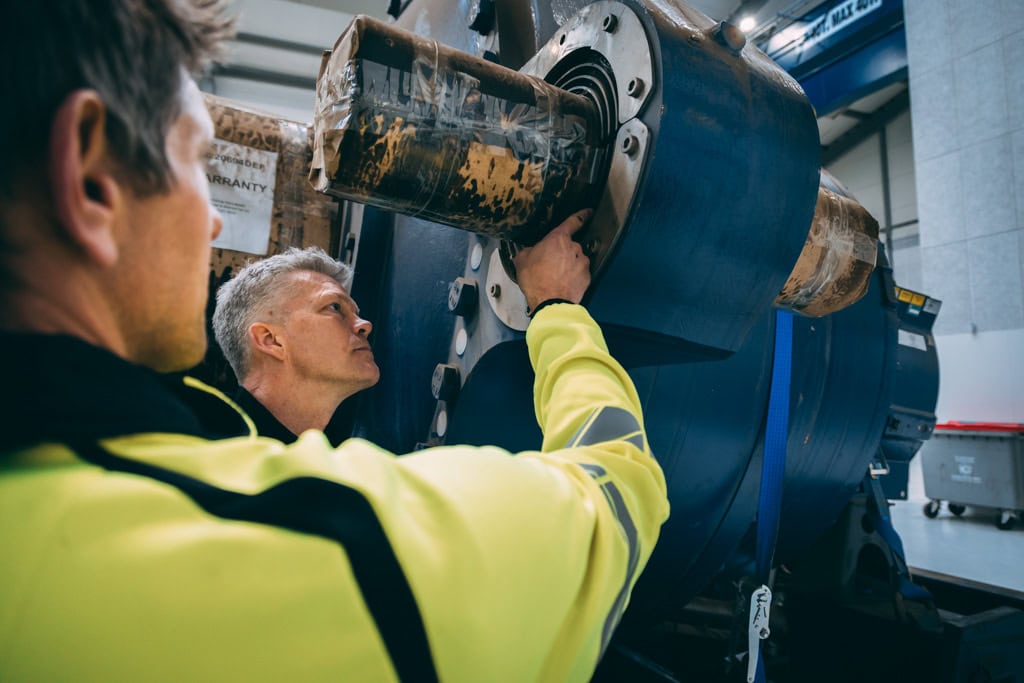
Some challenges are model-specific
Experts in turbine support
On any given platform, performance and availability are often influenced by a number of recurring inspection points. United Wind knows and shares how to avoid overlooking early signs of wear in the routine maintenance.
The answer is usually more than expected
How much does downtime cost you?
Let us help you assess risk, potential, and next steps – with no obligation.