



Improving hydraulic reliability on Gamesa G87 turbines
Continuous leakage in the pitch system was resolved by replacing original cylinders with new long-life designs, extending operational stability well beyond previous service intervals.
Background
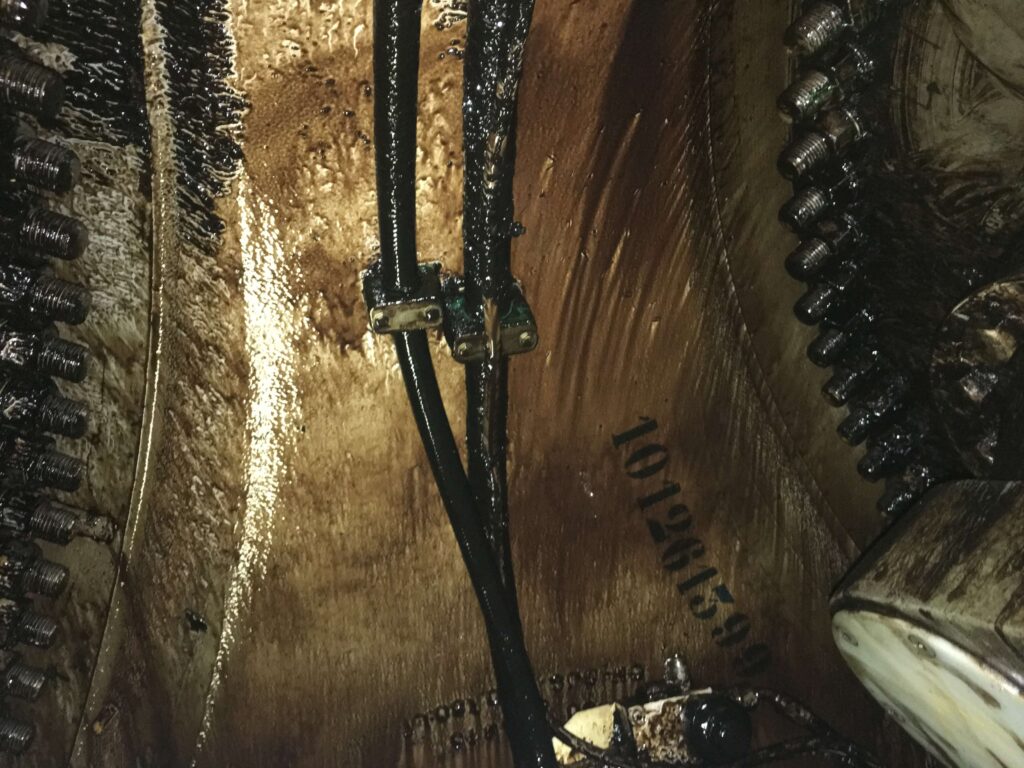
At the Medina Sidonia wind farm, the largest Spanish operator experienced recurring hydraulic leakage inside the hub of their Gamesa G87 turbines.
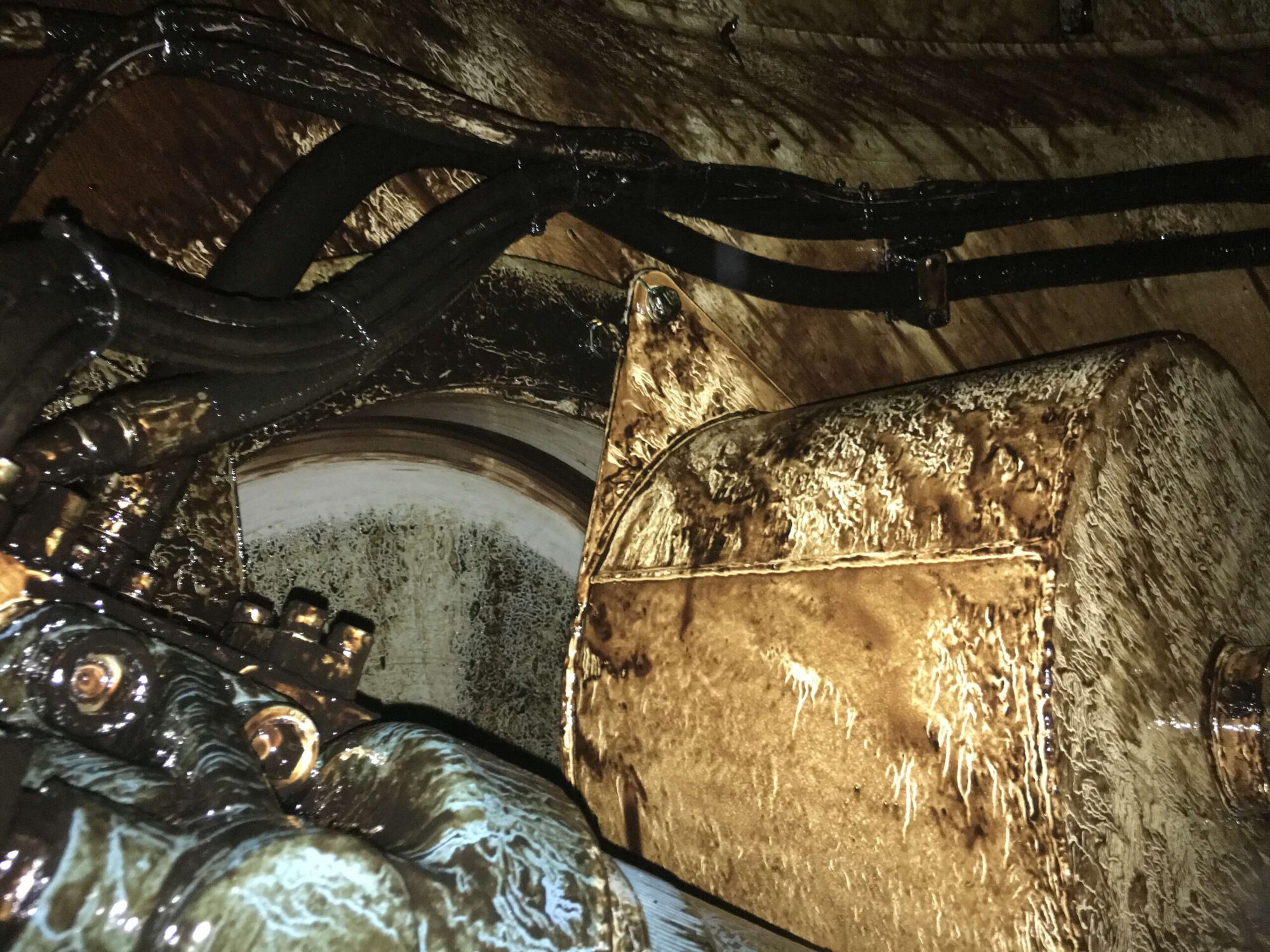
The issue originated in the pitch cylinders, where the realized lifetime of the original design was typically limited to 2–4 years. Beyond this period, hydraulic oil began leaking from the cylinder housing.
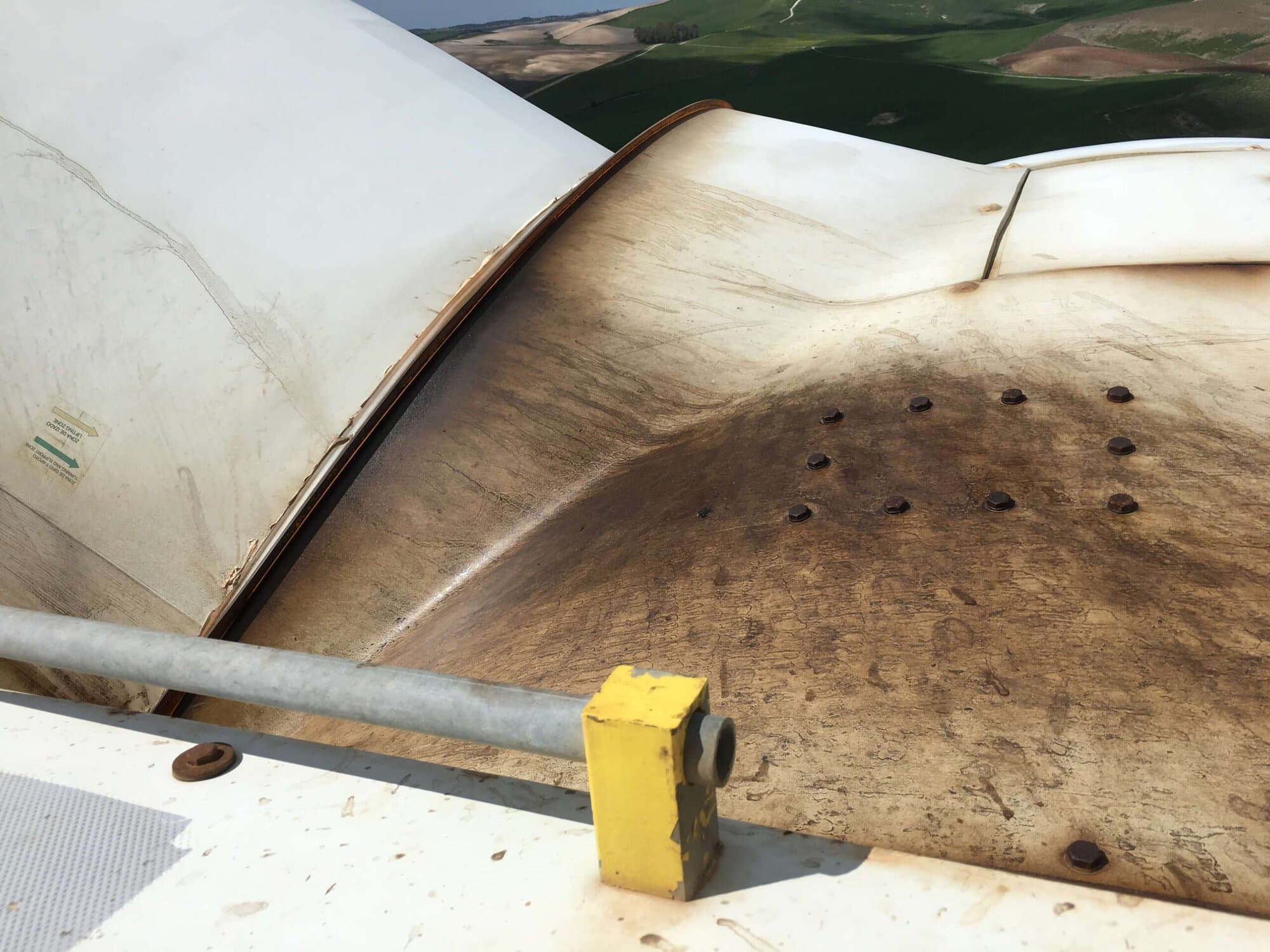
Oil accumulation inside the hub introduced secondary effects. Blade bearing grease could be displaced or washed out, increasing wear and raising the likelihood of further component degradation over time.
With the pattern repeating across service cycles, the issue became both operationally disruptive and mechanically critical.
The challenge
Limited cylinder lifetime meant that leakage and contamination occurred multiple times over the turbine’s operational life.
Each event required intervention, while the presence of hydraulic oil near critical components increased exposure to follow-on issues.
A more durable solution was required—one capable of operating over longer periods without leakage, reducing contamination inside the hub and maintaining stable pitch performance.
Initial assesment
Analysis of wear patterns and sealing behavior confirmed that leakage consistently originated from the cylinder housing and occurred within a predictable operational interval.
Conditions inside the G87 hub placed repeated stress on the cylinder rod in the short-stroke area and on the original sealing configuration, accelerating degradation.
A long-life replacement cylinder from LJM had already demonstrated improved performance under similar conditions. The design allowed for direct replacement without modifications to the existing pitch system, simplifying implementation.
Technical approach
A long-life cylinder with a higher surface hardness and an upgraded sealing configuration was installed to address the root cause of internal leakage.
The design focused on maintaining sealing integrity over extended operating periods, reducing the likelihood of oil escape under repeated load cycles.
Following installation, the turbine operated for eight years without hydraulic leakage, confirming that the updated design resolved the limitations of the original cylinder.
The next planned upgrade includes a cylinder featuring a 2025 sealing system, engineered for further durability. Based on current improvements, expected service life is extended by approximately 25%, bringing the projected lifetime to around 10 years.
Execution
Installation was carried out during a scheduled intervention.
No modifications to hydraulic interfaces were required, and the pitch system returned to normal operation immediately after commissioning.
Follow-up observations over the eight-year period confirmed stable hub conditions and no recurrence of hydraulic contamination.
Results
Operational lifetime increased from 2–4 years with the original cylinder to eight years of leakage-free performance using the long-life design.
Eliminating hydraulic leakage also reduced the risk of grease displacement in blade bearings, improving overall hub reliability.
The upcoming cylinder generation is expected to extend this stability further and reduce the need for repeated interventions.
Key takeaways
Short component lifetimes can introduce recurring challenges in the hub environment.
Long-life cylinder designs reduce intervention frequency and improve overall system stability.
Extended service intervals support more predictable operation—particularly for aging platforms such as the G87.
Closing
Recurring issues in legacy platforms are rarely caused by a single component alone—they persist when underlying patterns are not addressed.
With the right combination of field experience, component insight and targeted upgrades, long-standing problems can be resolved rather than repeated.
In practice, that means fewer interventions, more stable operation—and less energy lost over time.